
Branding a New Business in Lebanon: Identity, Naming, and Trademark Basics
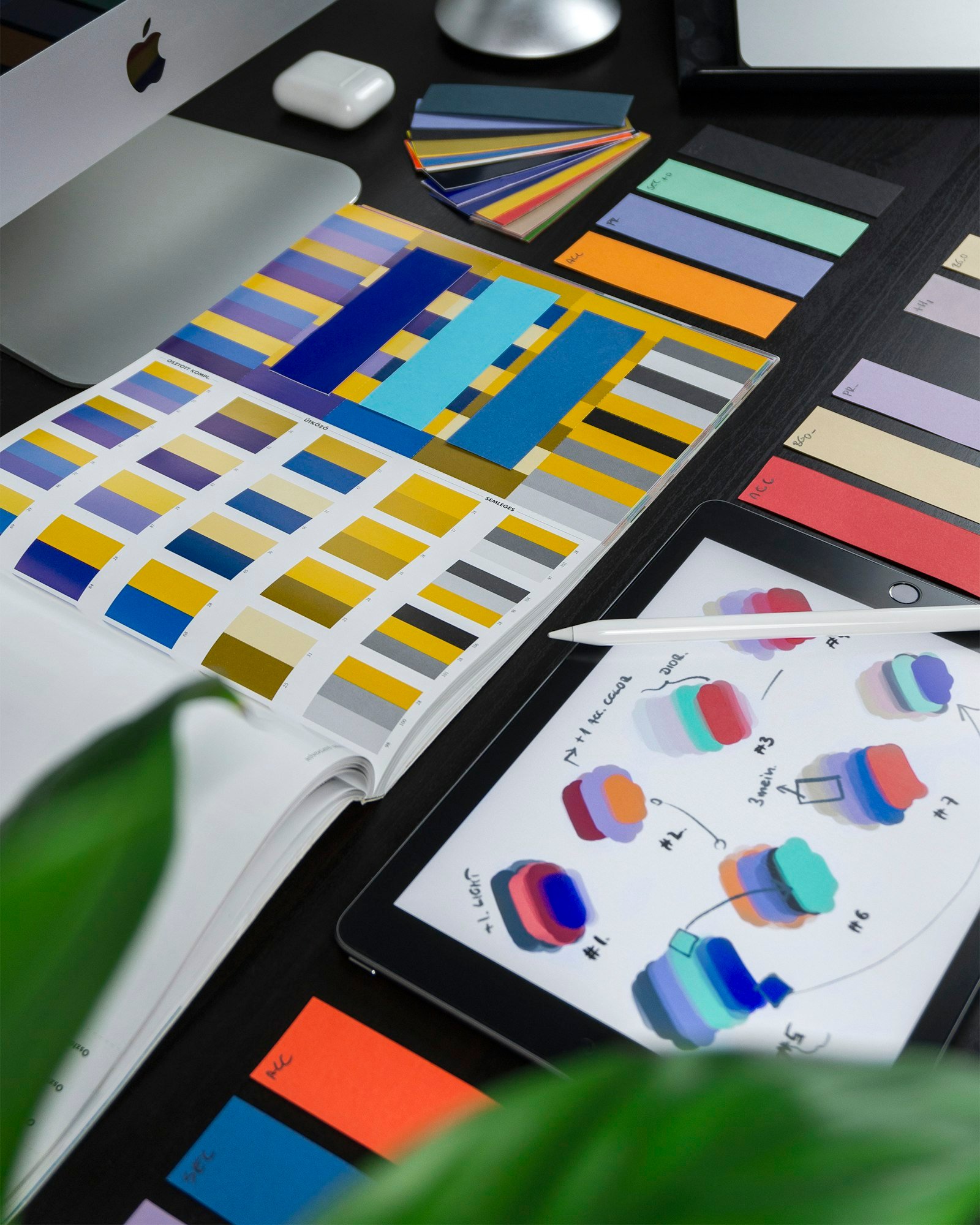
A logo is not a brand. Branding is the decision about who you are for, what you offer that a direct competitor genuinely doesn't, and what a customer should feel sure of within seconds of encountering you — and getting that decision right early is cheaper than fixing it after the market has already formed its first impression of you.
Why branding is worth doing before, not after, launch
Companies with consistent brand presentation see meaningfully higher revenue than inconsistent competitors — one widely cited estimate puts the gap at 20-23 percent — because consistency removes uncertainty, and uncertainty is what makes a customer hesitate before buying from someone they don't recognize. In a market where a large share of small-business discovery still happens through word of mouth, an inconsistent or forgettable brand gives a potential referrer nothing specific to describe when recommending you to a friend or relative.
That word-of-mouth effect is not a minor channel here — it's often the dominant one. Global research consistently finds that the large majority of consumers trust a personal recommendation above any other form of marketing message, and Lebanon's tightly networked social fabric, reinforced by a diaspora that talks to family back home constantly, makes that effect even stronger than in markets where relationships are less central to how people decide who to buy from.
Positioning before visuals
Before choosing a single color or typeface, answer three questions: who specifically you serve, what you offer that a competitor doesn't, and what a customer should feel sure of within seconds of encountering you. Skip this and a designer eventually asks what the brand should say, and nobody in the room has the same answer — which is how two competing businesses in the same category end up with near-identical branding, both invisible against each other.
Positioning also has to account for who else is competing for the same customer, including better-funded studios and agencies. A sharply defined position — a specific service, a specific neighborhood, a specific kind of customer — lets a smaller business win a category outright instead of losing a broad fight it can't afford to enter.
Naming and identity in a bilingual market
Lebanon operates in at least two languages simultaneously — a customer might search for you in English on desktop and in Arabic, or Arabizi, on their phone minutes later. A name and identity that only works in one language or script loses that traffic before the click happens. Test your name for how it reads, sounds, and transliterates in both Arabic and English before committing to it, not after the signage is printed.
This bilingual reality also shows up in Lebanon's trademark system directly: Lebanon's IP office accepts marks filed in any language or script, including Arabic — worth deciding how your name reads and transliterates in Arabic during the naming process itself, not as an afterthought once you're already filing.
Protecting the name: trademark basics in Lebanon
Registration is optional but strongly recommended once you've settled on a name, because it's the legal instrument that stops a competitor from adopting something confusingly similar after you've spent money building recognition around it. In Lebanon, trademark applications are filed with the Trademark Section of the Ministry of Economy & Trade; processing time varies by source and case complexity, from a few weeks to a few months for a straightforward filing. Validity also changed recently: marks registered or renewed on or after February 15, 2024 are valid for 10 years from the registration date (renewable), down from the 15-year term that applied before that date — worth knowing since older articles online still quote the outdated 15-year figure. Budget for the registration fee, which runs roughly $750 per class of goods or services the mark covers, and register early: use of a mark is not required to file for it, meaning a competitor can register a name before you if you wait too long after settling on it.
Building the identity system
A logo alone is not an identity system. A complete kit includes logo variations for different placements, a color palette specified for both print (CMYK) and screen (hex) so colors don't drift between a business card and a website, and typography that actually supports Arabic script properly rather than a Latin font with Arabic letters bolted on awkwardly. Document all of it in a brand guideline, because a brand touches more hands here than most owners expect — a sign painter, a packaging supplier, a freelance social media manager, a print shop for flyers — and each one interprets "make it look nice" differently without a reference to check against.
Making the brand consistent everywhere customers find you
Many customers now discover a small business first through a map app, a social profile, or a mobile search result rather than a physical storefront — and if those touchpoints don't reflect the same name, colors, and tone as everywhere else, you create doubt before anyone even reaches out. Audit your Google Business Profile, social bios, WhatsApp Business profile, and website against your brand guideline the same week you finalize it, not months later.
Where branding fits with the rest of your launch
Branding gives your go-to-market strategy something worth promoting and gives your website a consistent identity to build around — the three work as one system, not three separate projects. If you haven't yet registered the company itself, our guide on starting a business in Lebanon covers that groundwork first. And if you'd rather not build the positioning, naming, and identity system alone, a branding engagement handles the full process from positioning through a finished guideline document.
Related services
Related articles
How to Start a Business in Lebanon: What You Need to Know
Legal structures, registration steps, banking realities, and licensing — a practical, sourced guide for anyone starting a business in Lebanon.
How to Build a Go-to-Market Strategy for a New Business in Lebanon
A practical go-to-market framework for new Lebanese businesses: target customer, channel selection backed by real usage data, pricing, and a 90-day launch plan.
Building a Website for a New Business in Lebanon: A Launch Checklist
A practical website checklist for new Lebanese businesses: mobile speed, domain choice, must-have pages, and SEO basics backed by real performance data.